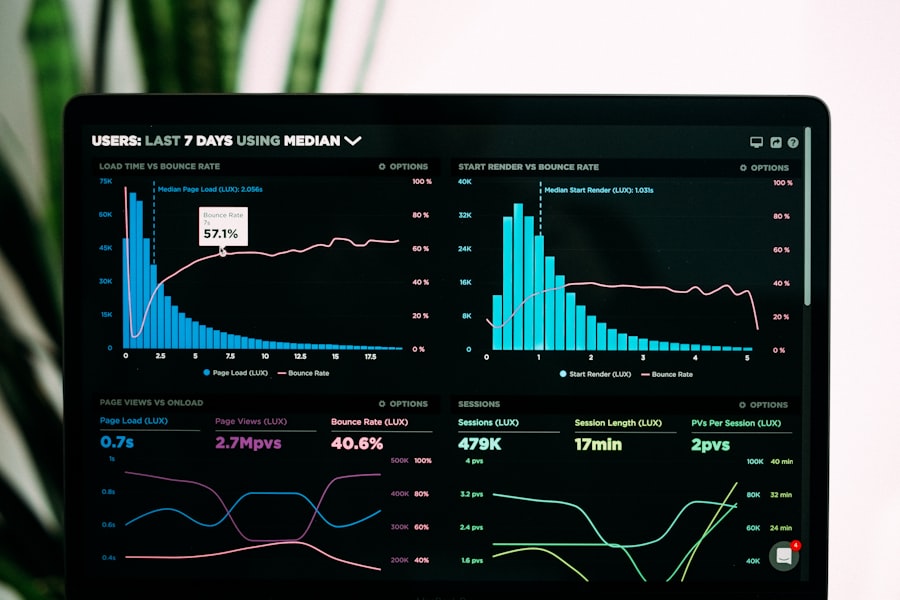
Page speed and Core Web Vitals aren't just UX metrics—they feed directly into search rankings and conversion. Slow pages get penalised by Google and abandoned by users. Fast, well-structured sites rank better and keep people on the page. We build marketing sites and landing experiences with that in mind from the start: performance and SEO are part of the architecture, not an afterthought.
This article is for marketing and product leads who own the site or the landing experience. We'll cover why speed and structure matter, how we build for them, and how we measure and maintain results.
Why speed matters
Slow pages hurt in two ways. First, search: Google uses Core Web Vitals (LCP, INP, CLS) and related signals as ranking factors. If your site is sluggish or janky, you're leaving visibility on the table. Second, conversion: every extra second of load time increases bounce and drops completion rates. For lead gen and content, that's revenue and engagement walking away.
Fixing speed after launch is harder than building it in. Retrofitting a heavy CMS theme, stripping third-party scripts, or reworking images at scale is expensive and risky. We prefer to choose stacks and patterns that are fast by default—static or hybrid rendering, minimal JS, and assets that are sized and served correctly from day one. That doesn't mean no dynamic content or no analytics; it means we don't pile them on without measuring the cost.
Accessibility and performance often align. Fast, lightweight pages tend to work better for users on slow connections or older devices. Semantic HTML and clear structure help both screen readers and crawlers. We treat performance and accessibility as part of the same bar.
How we do it
We build static or hybrid where possible. Static HTML and CSS are fast and cacheable; we add interactivity only where it's needed. For content-heavy marketing sites, that usually means a static or SSG front end with a headless CMS or file-based content, so you get the editorial workflow without the weight of a monolithic server render on every request.
We keep JavaScript minimal and focused. Analytics, chat, or personalisation are loaded in a way that doesn't block the main content. We prefer native patterns and small, targeted scripts over heavy frameworks for landing and content pages. Images are responsive and properly formatted (e.g. modern formats, sensible dimensions); we don't ship full-size assets and hope the browser figures it out.
Structure supports both users and crawlers. We use semantic HTML, clear headings, and structured data (e.g. JSON-LD) where it helps search and discovery. Meta and Open Graph are part of the template, not an afterthought. The goal is that the same page that loads fast and reads well for a human is the one that crawlers see and index.
Metrics and ongoing work
We don't guess. We measure LCP, INP, and CLS in the field (e.g. with CrUX or RUM) and in the lab (Lighthouse, WebPageTest). We set targets before launch and check that new content and features don't regress. If you're running campaigns or A/B tests, we make sure the variants are measured too.
SEO is monitored the same way: rankings for key terms, indexing status, and crawl health. When we hand off, we leave you with a simple way to keep an eye on both performance and search—and we can stay on for quarterly reviews or optimisation sprints if you want to keep improving.
If you're planning a new site or a major refresh and want performance and SEO built in from the start, we'd like to hear from you. Get in touch and we can walk through your goals and how we'd approach them.